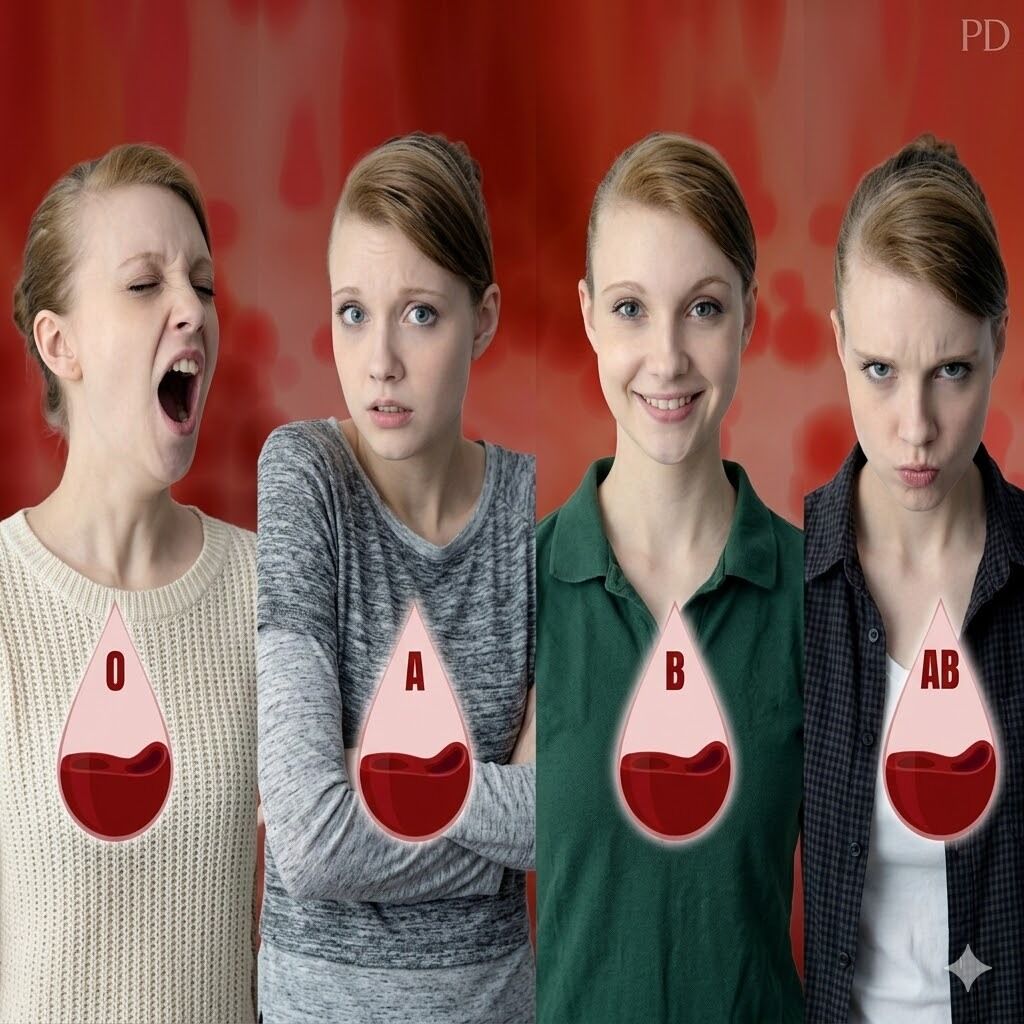
Although blood performs the same essential functions in every human being, it is not identical from one person to another. The differences lie in specific molecules called antigens that are found on the surface of red blood cells. These antigens act like biological markers, giving each person a unique blood identity known as a blood type. The blood pumped by the heart circulates continuously throughout the body, delivering oxygen, minerals, nutrients, hormones, and other vital substances to organs and tissues. At the same time, it removes carbon dioxide and metabolic waste products so they can be eliminated. Without this constant circulation, cells would quickly be deprived of oxygen and nutrients, and the body could not survive. Blood is therefore both a transportation system and a defense network, maintaining balance and supporting every organ system. Understanding blood type adds another layer to this complex system, helping explain compatibility in transfusions, pregnancy considerations, and even certain health risks.
Blood is produced in the bone marrow and is composed of several key components, each with a highly specialized role. Red blood cells, also known as erythrocytes, are the most numerous cells in the bloodstream. An adult body contains approximately 25 trillion of them. Their primary job is to transport oxygen from the lungs to tissues and organs and to carry carbon dioxide back to the lungs for exhalation. They contain hemoglobin, an iron-rich protein that binds oxygen and gives blood its red color. White blood cells are far fewer in number but crucial for survival. They are central to the immune system, identifying and attacking bacteria, viruses, and other foreign invaders. Plasma, the pale yellow liquid that makes up more than half of blood’s volume, consists mainly of water but also contains proteins, glucose, hormones, mineral salts, lipids, and clotting factors. It gives blood its fluid consistency and helps transport nutrients and waste. Platelets, the smallest blood components, play a vital role in clotting. When a blood vessel is damaged, platelets gather at the site to form a clot and stop bleeding. Together, these elements create a finely tuned system that sustains life.
Blood type is determined by antigens located on the membrane of red blood cells. The most well-known classification system is the ABO system, which divides blood into four groups: A, B, AB, and O. People with type A blood have A antigens on their red cells, those with type B have B antigens, those with type AB have both, and those with type O have neither. In addition to the ABO system, there is the Rhesus (Rh) system, which depends on the presence or absence of the D antigen. If the D antigen is present, the blood type is positive; if it is absent, it is negative. Combining the ABO and Rh systems results in eight common blood types: A+, A−, B+, B−, AB+, AB−, O+, and O−. This classification is crucial in medicine, especially for blood transfusions. If a person receives incompatible blood, the immune system may recognize the foreign antigens as threats and attack them, leading to serious or even life-threatening reactions. For this reason, knowing your blood type can be lifesaving in emergencies.
There are several important things to understand about how blood type can affect health. First, blood type influences transfusion compatibility. People with O negative blood are often called universal donors because their red blood cells can be given to almost anyone in emergencies. Conversely, individuals with AB positive blood are considered universal recipients because they can receive red blood cells from all ABO and Rh types. Second, blood type can play a role during pregnancy. If an Rh-negative mother carries an Rh-positive baby, her immune system may produce antibodies against the baby’s blood cells. Fortunately, modern medicine uses preventive treatments to avoid complications. Third, some research suggests that blood type may influence susceptibility to certain diseases. Studies have indicated that individuals with types A, B, and AB may have a slightly higher risk of heart disease compared to those with type O, possibly due to differences in clotting factors. Fourth, blood type may affect vulnerability to certain infections, as some pathogens interact differently with specific antigens.
Fifth, blood type can influence clotting tendencies. Certain non-O blood types are associated with higher levels of clotting proteins, which may increase the risk of thrombosis. Sixth, rare blood types are extremely important in transfusion medicine. Some individuals have uncommon antigen combinations, and maintaining blood banks with rare donations can save lives. Seventh, regular blood donation is essential regardless of type. Hospitals rely on steady supplies of all blood groups to treat accident victims, surgical patients, and individuals with chronic illnesses. Eighth, blood type testing is simple and can be done through a laboratory test, making it easy to know your status in advance rather than during an emergency. Ninth, some studies have explored links between blood type and digestive health or metabolism, although evidence remains mixed and ongoing research continues. Finally, blood type can be relevant in organ transplantation, where compatibility between donor and recipient improves the chances of success.
For Complete Cooking STEPS Please Head On Over To Next Page Or Open button (>) and don’t forget to SHARE with your Facebook friends.