5 Foods That Can Carry Parasites — And How to Eat Them Safely

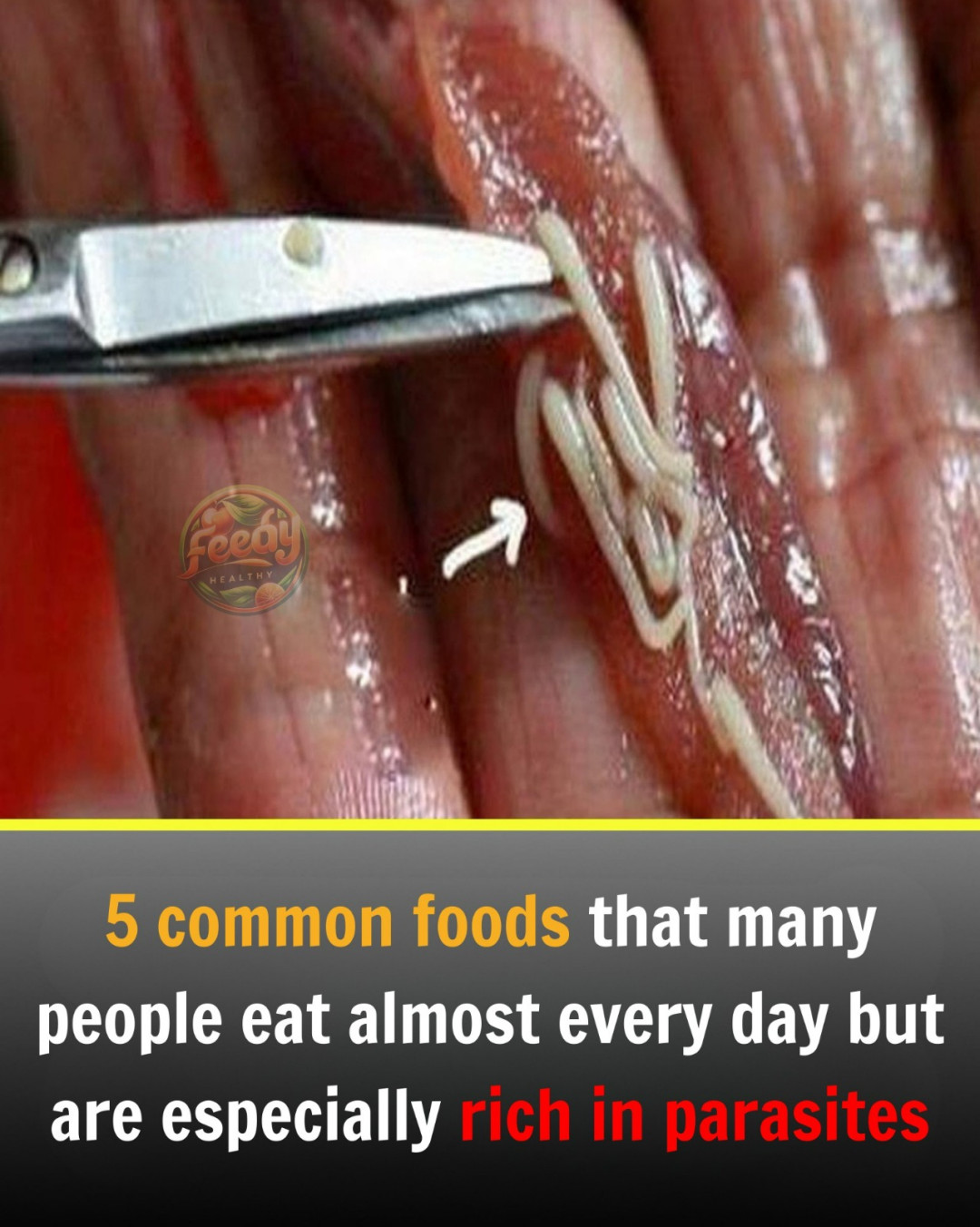
 How Can Food Carry Parasites?
Parasites like Toxoplasma gondii, Giardia, or tapeworms can contaminate food through:
Contaminated water or soil (on produce)
Poor hygiene during harvesting or handling
Undercooked meat (especially pork, beef, or fish)
Cross-contamination in the kitchen
But the human body is resilient — and modern food safety works.
 With proper washing, cooking, and storage, the risk is extremely low.
5 Foods That Can Carry Parasites (And How to Stay Safe)
1. Raw or Undercooked Pork
Risk: Trichinella spiralis (causes trichinosis), Taenia solium (pork tapeworm)
How it happens: Eating raw or undercooked pork from infected animals
How to stay safe:
Cook pork to 145°F (63°C) with a meat thermometer — then rest 3 minutes
Freezing commercial pork (at -5°F / -20°C) kills Trichinella
Avoid raw pork dishes like cured sausages unless from trusted, regulated sources
 Note: Trichinosis is now rare in the U.S. (fewer than 20 cases/year) thanks to regulations and freezing practices.
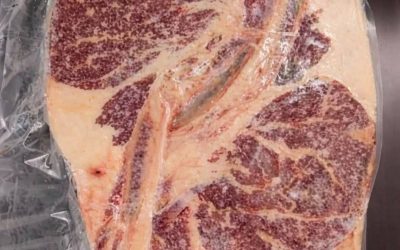
2. Raw or Undercooked Beef
Risk: Taenia saginata (beef tapeworm)
How it happens: Eating raw or rare beef from infected cattle
How to stay safe:
Cook steaks and roasts to at least 145°F (63°C)
Avoid raw beef dishes like tartare or carpaccio if you’re pregnant, immunocompromised, or traveling in high-risk areas
Buy meat from reputable sources with proper inspection
Good news: Beef tapeworm is treatable and rare in developed countries.
3. Raw or Undercooked Fish (Especially for Sushi & Sashimi)
Risk: Anisakis (a parasitic worm), Diphyllobothrium (fish tapeworm)
How it happens: Eating raw or under-salted fish from contaminated waters
How to stay safe:
Only eat sushi-grade fish — it must be frozen at -4°F (-20°C) for 7 days (or -31°F / -35°C for 15 hours) to kill parasites
Buy from trusted sushi restaurants or suppliers
Never eat raw fish from the grocery store unless labeled “sushi-grade” and properly frozen
Fact: The FDA requires all fish for raw consumption to be parasite-killed by freezing.
4. Fresh Produce (Leafy Greens, Berries, Herbs)
Risk: Toxoplasma gondii, Giardia, Cryptosporidium
How it happens: Contaminated irrigation water, soil, or improper handling
How to stay safe:
Wash all produce under cool running water — even if pre-washed
Scrub firm produce (like melons, cucumbers) with a brush
Dry with a clean cloth or paper towel — reduces bacteria
Store properly — keep cold and separate from raw meat
Bonus: Don’t wash berries until ready to eat — excess moisture speeds spoilage.
5. Unpasteurized (Raw) Milk & Dairy Products
Risk: Toxoplasma, Giardia, Cryptosporidium
How it happens: Drinking raw milk from infected animals
How to stay safe:
Drink only pasteurized milk and dairy — heat kills parasites and bacteria
Avoid raw milk cheeses unless aged over 60 days (lower risk)
Especially important for pregnant women, children, elderly, and immunocompromised
CDC warning: Raw milk is 150x more likely to cause foodborne illness than pasteurized milk.
 5 Simple Rules to Prevent Parasitic Infections
Cook meat to safe internal temperatures
Kills parasites and bacteria
Wash all fruits and vegetables
Removes dirt and contaminants
Freeze fish for raw use
Required to kill parasites in sushi
Avoid cross-contamination
Use separate cutting boards for meat and produce
Drink pasteurized milk and water
Especially when traveling
Use a food thermometer — don’t guess doneness.
 Who’s at Higher Risk?
Some people should be extra cautious:
Pregnant women — Toxoplasma can harm the fetus
People with weakened immune systems — HIV, cancer, organ transplant
Travelers in areas with poor sanitation
 These groups should avoid raw or undercooked foods and stick to bottled water.
 Final Thoughts: Don’t Fear Food — Respect It
We don’t need to fear fresh food.
We need to respect it.
A salad.
A steak.
A piece of sushi.
These aren’t threats.
They’re joys.
And with simple, smart habits, you can enjoy them safely and confidently.
So wash your produce.
Cook your meat.
Buy from trusted sources.
Because sometimes, the difference between “I’m scared to eat this” and “I love this meal”…
Isn’t in the food.
It’s in the care.
And once you know how to protect yourself?
You can eat — and live — without fear.
For Complete Cooking STEPS Please Head On Over To Next Page Or Open button (>) and don’t forget to SHARE with your Facebook friends.