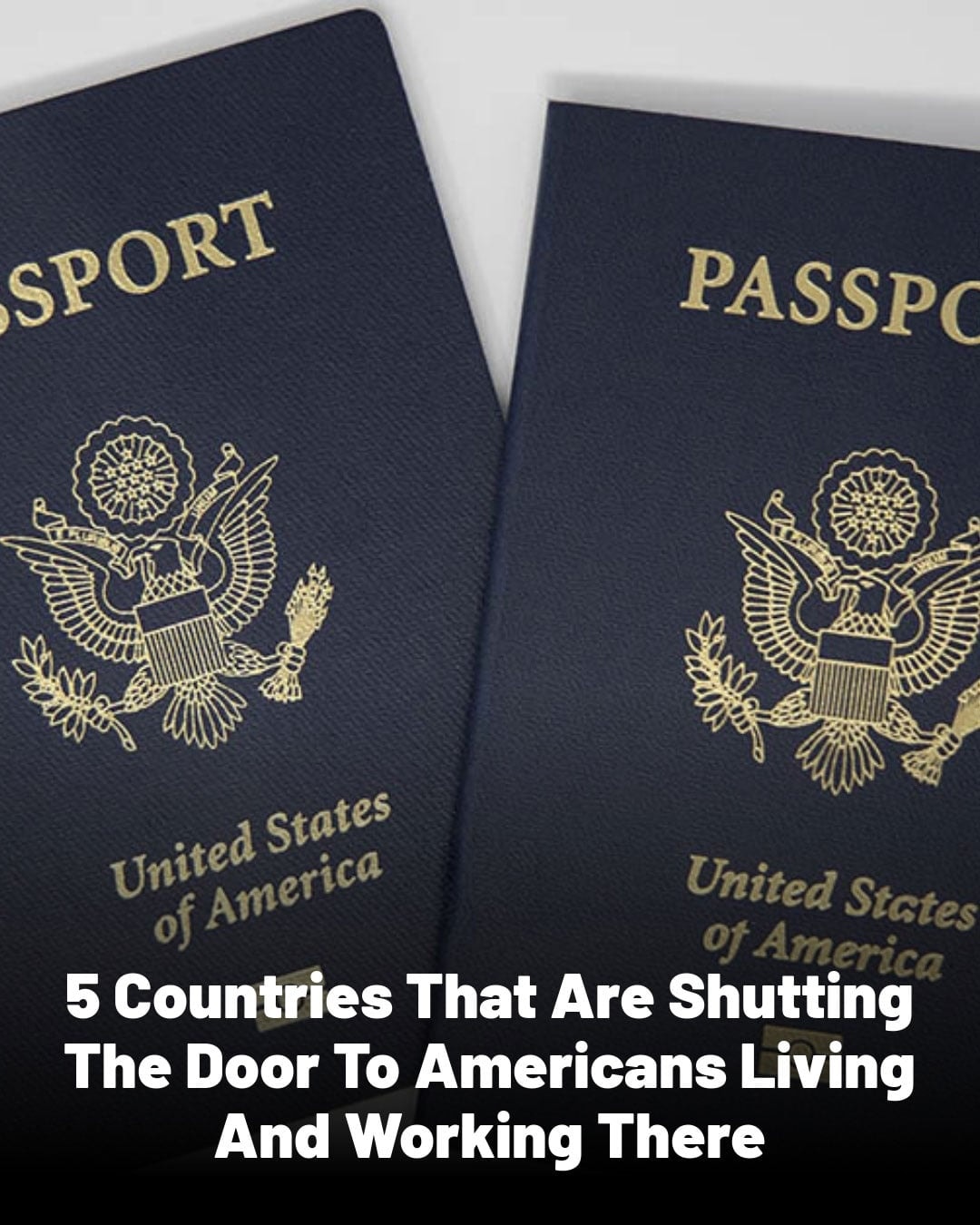
There are many reasons Americans are choosing to live overseas. Some want a break from high living costs, especially in big U.S. cities. Others are looking for more affordable healthcare or safer communities. Political frustrations and burnout from fast-paced lifestyles also drive people to rethink where they call home.
Retirees often look for countries where their savings stretch further. Younger workers, especially in tech or creative fields, enjoy the freedom to work from anywhere. Many also want to experience different cultures, learn new languages, or give their kids an international education.
There’s a growing desire for simplicity, slower living, and meaningful experiences. Living abroad offers all that and more, until visa rules get in the way. As more people go looking for a better life outside the U.S., immigration systems are starting to feel the pressure.
Japan has traditionally welcomed tourists from visa-exempt countries, including the U.S. However, the Japanese government plans to implement a new travel authorization system called JESTA by 2028. This system will require travelers from visa-exempt countries to submit personal information online before entering Japan.
The goal is to address issues related to illegal immigration and improve national security. While the system is still in development, it signals a shift toward tighter entry control. For Americans living abroad or planning extended stays in Japan, these new rules could create additional steps.
Japan is also cracking down on long-term overstays, even for people on valid tourist visas. If you’re planning to live in Japan for work or personal reasons, you’ll need to stay on top of rule changes. Make sure your paperwork is in order, and follow all local regulations to avoid problems.
Canada has long been a favorite for Americans looking to start fresh. It’s close to home, has high living standards, and offers a similar culture. But a recent surge in migration from the U.S. has caused Canada to tighten the tap. While there is no specific daily cap on U.S. immigrants, the Canadian government is slowing the overall pace of immigration to ease pressure on services. This includes potential reductions in temporary foreign worker programs and student visas.
The stricter protocols apply to asylum seekers, workers, and other categories. Canada says this move helps protect housing and healthcare resources, especially in crowded cities like Toronto and Vancouver. It’s not a ban, but it does make things harder for Americans hoping to move quickly.
This policy means longer wait times, more competition, and stricter background checks. If you’re thinking about moving to Canada, be prepared for delays and make sure your application is complete and accurate. While Canada still values immigration, it’s no longer as open as it used to be.
The UAE, especially cities like Dubai, attracts thousands of Americans each year. Many go for business, tourism, or tax-free job opportunities. But the country is known for its strict laws and zero tolerance for what it sees as illegal behavior.
One high-profile case involved a U.S. Navy veteran who was jailed in Dubai for carrying common medications like ibuprofen and CBD oil. Though legal in the U.S., these items violated UAE drug laws. Americans living abroad or visiting the UAE need to be extremely cautious with what they bring in.
Even minor issues like public behavior, social media posts, or what you wear can lead to serious legal trouble. This strict approach makes it less appealing for Americans looking for a relaxed place to live. Do your research and consider working with a legal advisor before making the move.
Russia has long had a rocky relationship with the U.S., and that tension is affecting visa policies. While Russia hasn’t fully banned Americans, it has added the U.S. to its list of “unfriendly countries.” This designation opens the door to entry restrictions and special visa requirements.
Despite the tension, Russian officials say visa requests from Americans rose in 2024. Still, applying now often involves more paperwork and longer approval times. The Russian government can also impose sudden bans or travel limits in response to political issues.
If you’re thinking of moving to Russia, keep a close eye on the news and be prepared for quick changes. Working with a trusted immigration lawyer is a smart move. While it’s still possible to live in Russia as an American, it’s not as easy or predictable as it once was.
China has recently loosened tourist visa rules to boost travel, including for Americans. As of January 2024, U.S. citizens no longer need to provide round-trip flights or hotel bookings when applying for a visa. There’s also an expanded 10-day visa-free transit policy in select cities.
That all sounds good, but risks remain. The U.S. government has warned about possible exit bans and unpredictable enforcement of local laws. In some cases, Americans have been detained or barred from leaving the country due to legal disputes.
Even with friendlier tourist policies, China remains a risky place to live long-term without solid legal protection. If you’re an American considering life in China, you should stay registered with the embassy and know your rights. It’s a beautiful country, but make sure you’re not caught off guard.
Governments around the world are tightening immigration rules, and not just for Americans. But U.S. travelers are feeling the pinch because of growing political friction, national security concerns, and high travel volumes. In some countries, there’s also a rising belief that foreign workers take away opportunities from locals.
Social and economic pressure is also driving these changes. Locals in popular destinations worry about over-tourism, rising costs, and cultural shifts. In response, more countries are setting quotas, requiring extra paperwork, or banning certain types of visas altogether.
While full bans are still rare, restrictions are becoming more common and harder to predict. For Americans living abroad or planning to, this means staying alert and flexible. Check embassy alerts, follow local news, and talk to immigration professionals. The rules aren’t always fair, but being prepared is your best defense.
For Americans living abroad or thinking about it, 2025 is bringing new complications. Countries like Japan, Canada, the UAE, Russia, and China are tightening policies that affect long-term living and work opportunities. These changes reflect local pressures, rising travel trends, and broader global tensions.
Still, with research, planning, and the right documents, it’s possible to make a smooth transition. Being informed is key. Follow official sources, double-check visa rules, and take local customs seriously. If you’re flexible and cautious, the dream of living abroad can still become reality, even if it takes a little more effort now.
For Complete Cooking STEPS Please Head On Over To Next Page Or Open button (>) and don’t forget to SHARE with your Facebook friends.