What Causes Histamine Intolerance?
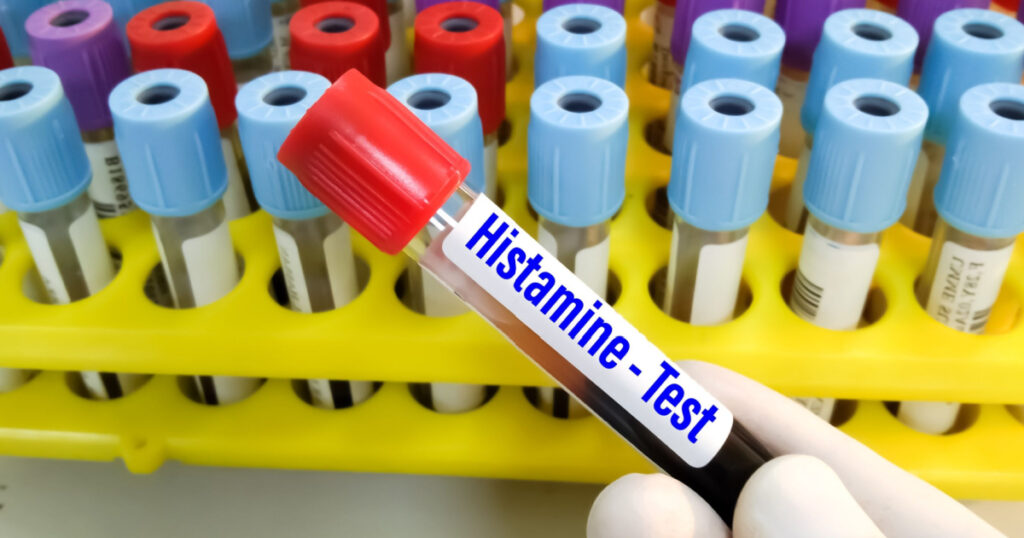
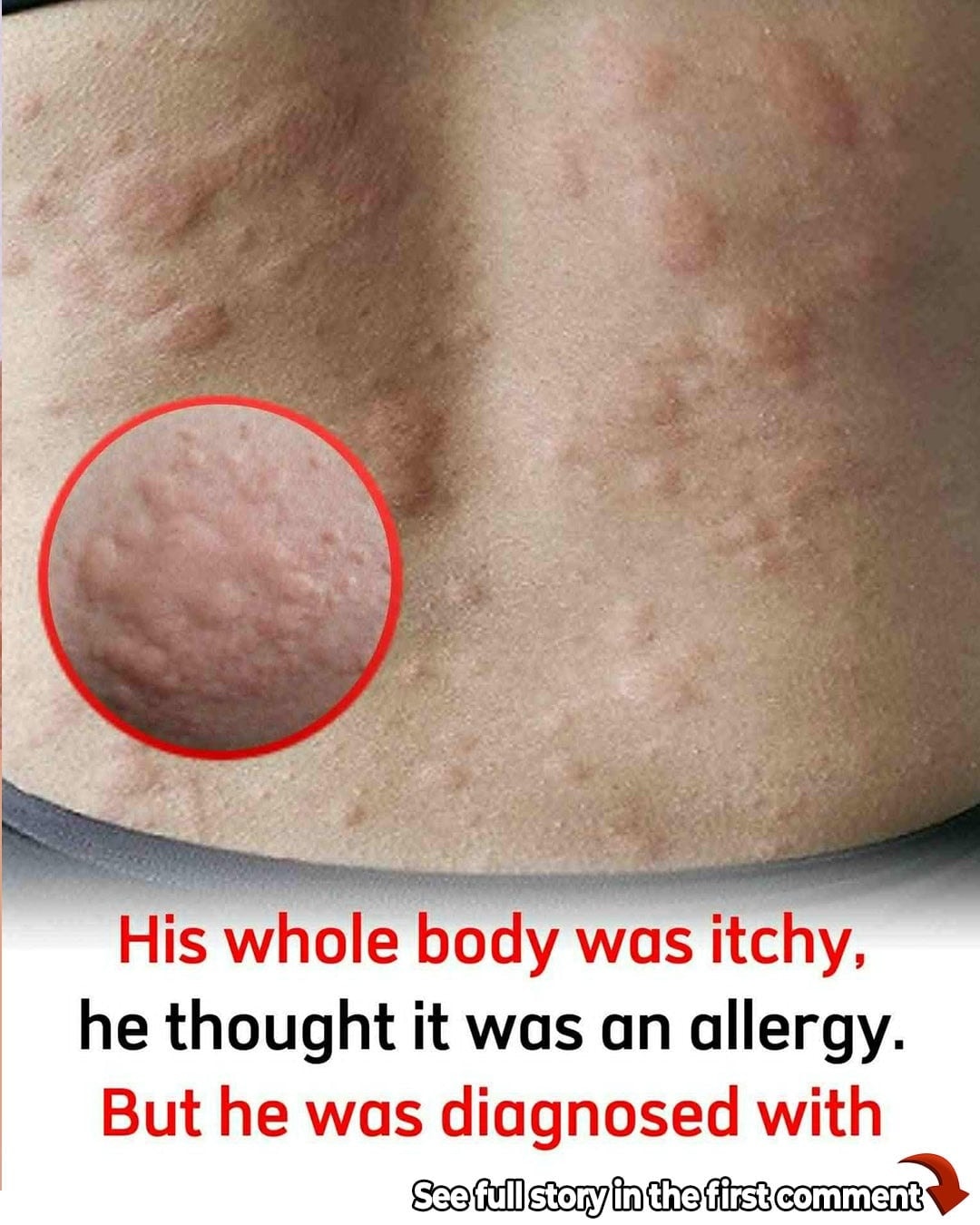
It’s important to note that histamine intolerance doesn’t mean the body can’t tolerate histamines; it means it contains too much of them. Histamines are responsible for several major functions, in addition to being part of immune responses to injuries or allergic reactions. They also help digestion by releasing stomach acid and aiding in communication messages to the brain. The body naturally makes histamine and diamine oxidase (DAO) This is the enzyme that’s supposed to break down histamine during digestion. However, people with a DAO deficiency cannot break down as much histamine as normal, leading to high levels of it in the body.
There are several ways to get a DAO deficiency, including:
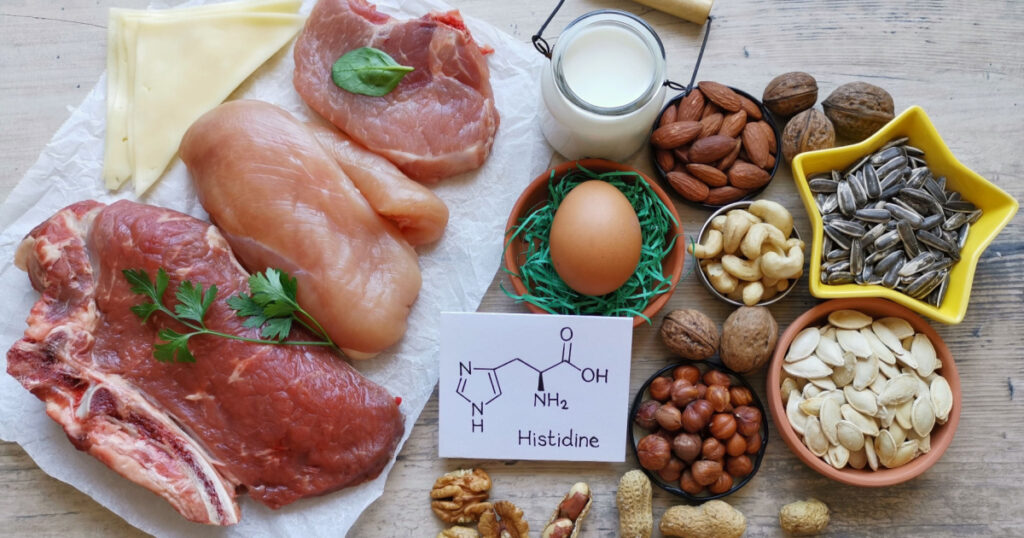
- Gastrointestinal disorders
- Medications that interfere with DAO function and production
- Histamine-rich foods
- Foods that trigger histamine release
- Foods that block DAO enzymes
- Bacterial overgrowth in the gut causes overproduction of histamine [2]
Recognizing and managing the condition is very difficult

“Histamine intolerance is unlike other allergies or sensitivities because it is not a reaction to the histamine itself but to the fact that we’ve too much of it,” Kerry Torrens BSc writes on BBC GoodFood. “This makes recognizing and managing the condition very difficult. Whether you experience symptoms or not will also depend on whether your personal tolerance to the amount of histamine in your body has been breached. Often referred to as your histamine ‘bucket’, once this capacity is met and exceeded, your bucket starts to overflow and symptoms become more challenging.” [3]
How to Lower Histamine Levels with Diet
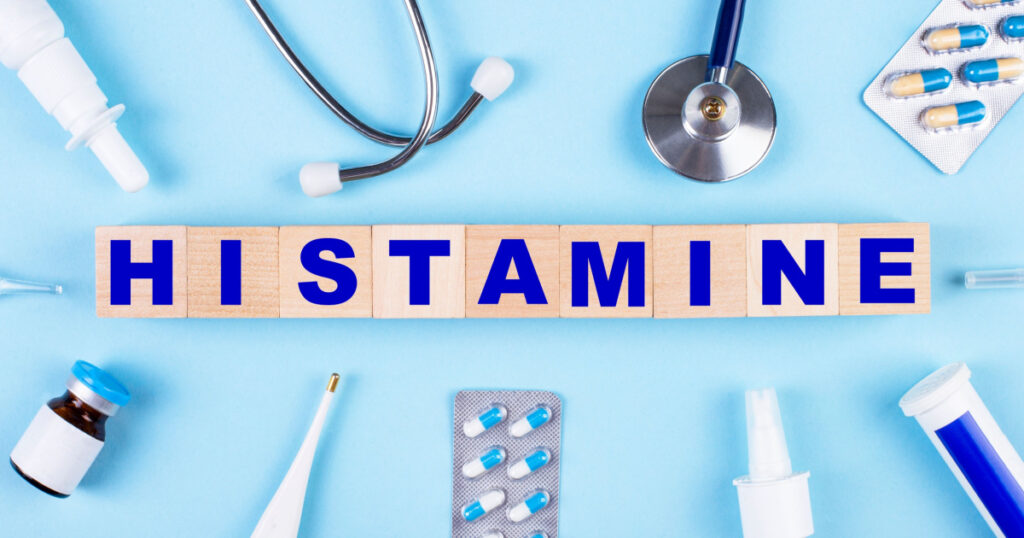
Because food can play such a large role in DAO enzymes and histamine, diet is a good way to control histamine levels. For instance, there are many types of foods to avoid. One kind is rich in histamine, one kind triggers the release of histamine, and others block DAO production.
These include:

- Alcohol and other fermented beverages and foods
- Black tea, green tea, and energy drinks
- Fruits like avocados, bananas, and papaya as well as dried fruits and citrus fruits
- Vegetables like eggplant, spinach, and tomatoes
- Beans and nuts
- Processed or smoked meats
- Shellfish
- Aged cheese
- Chocolate
- Food dyes and other additives
For Complete Cooking STEPS Please Head On Over To Next Page Or Open button (>) and don’t forget to SHARE with your Facebook friends.